Assessment
Assessment provides crucial insight into student learning. In a well-balanced system of large-scale summative, interim/curriculum-embedded and formative assessments, leaders at each level-state, district, school and classroom-can use assessment results to support learning. We help leaders identify their highest-priority assessment uses and design systems to meet their needs.
Recent Assessment Projects
National leadership on state assessment practice
We facilitate ongoing conversations with 40-plus states on the technical and policy issues that support good practice in statewide assessment. The collaborative is based at the Council of Chief State School Officers; our facilitation is part of our longstanding partnership with CCSSO.
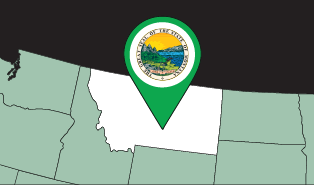
Through-year design
Montana wanted to make its assessments more useful for instruction. We are supporting the state in building a through-year system that yields results several times a year, with the intent to provide information for classroom teachers to gain insight into student learning before the end of the year.
21st century competencies
The International Baccalaureate explored ways to define and assess hard-to-measure competencies like creativity and ethical thinking. To support IB, we produced a series of literature reviews defining these complex skills and providing recommendations for assessing these skills.
Recent Assessment Blog Posts and Papers

Using Learning Progressions to Write Performance-Level Descriptors
Writing Modified Achievement Level Descriptors

Evaluating Consequential Validity of Assessments Based on Alternate Achievement Standards
Using Learning Progressions to Develop Strong Alternate Assessments (AA-AAS)
The Role of Interim Assessments in a Comprehensive Assessment System: A Policy Brief
2007 Reidy Interactive Lecture Series
When a “Growth Model” Acts the Same as a “Status Model”: Lessons Learned
Considerations in Designing a “2% Assessment” (AA-MAS)
Learning Progressions: Sources and Implications for Assessment