Accountability
Accountability systems signal policy priorities, report performance, inform support strategies, and build public understanding of K-12 schools. We work with education leaders and constituents to design, implement, and evaluate accountability systems that support student learning and school improvement. To be effective and meet states’ and districts’ goals, these systems must be technically sound and responsive to local needs.
Recent Accountability Projects
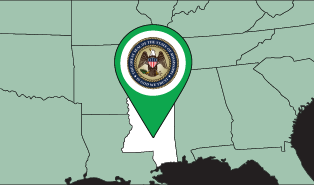
Mississippi
The Center supports the design, implementation and evaluation of Mississippi’s accountability system by providing ongoing technical consultation and analyses. We also coordinate meetings of its accountability task force, an advisory group of state education leaders. Through this work, the Center can identify solutions that are responsive to the state’s policy priorities.

New Hampshire
New Hampshire leaders wanted to learn more about whether their accountability system was working as intended. For example, are school ratings reliable, valid, and useful? The Center designed and implemented a series of studies to investigate these questions and document the results to inform the state’s ongoing efforts to refine and improve its practices.

Kentucky
Kentucky wanted to establish standards for school quality that were clear and meaningful. The Center worked closely with state leaders to develop and implement an innovative methodology for setting school performance standards. Grounding the standards in a strong process and compelling rationale helps build trust and buy-in among state constituents and helps ensure the accountability results are more useful to support school improvement.
Recent Accountability Blog Posts and Papers

2008 Reidy Interactive Lecture Series

Who Are the 2% Students and How Do We Design Test Items and Assessments? (Paper)
Norm- and Criterion-Referenced Student Growth
2007 Reidy Interactive Lecture Series
Using Student Longitudinal Growth Measures for School Accountability
Focusing State Educational Accountability Systems: Four Methods of Judging Quality and Progress
Developing a Value Table for Alaska’s Public School Performance Incentive Program
Dealing With Flexibility in Assessments for Students With Significant Cognitive Disabilities
Using Value Tables for a School-Level Accountability System